Blog

Sphinx 0.9 — A New Frontier for Data Science Agents

Goodbye, DABstep

Sphinx 0.8 — Plan Mode, Engines, and More!

Sphinx AI Achieves SOC 2 Compliance

Sphinx AI Partners with Jupyter Foundation & Linux Foundation

Sphinx 0.7.5 — Speed and Steerability

Sphinx 0.7 — Keeping on the Rails

Not all Data Agents are Created Equal

Sphinx 0.6.3 — a CLI for Agentic Data Science

Can AI Navigate by Dead Reckoning?

How do data copilots diverge from software copilots?

AI that’s good at AI: Sphinx Release v0.5.1

Sphinx launches with $9.5M to redefine how AI works with data

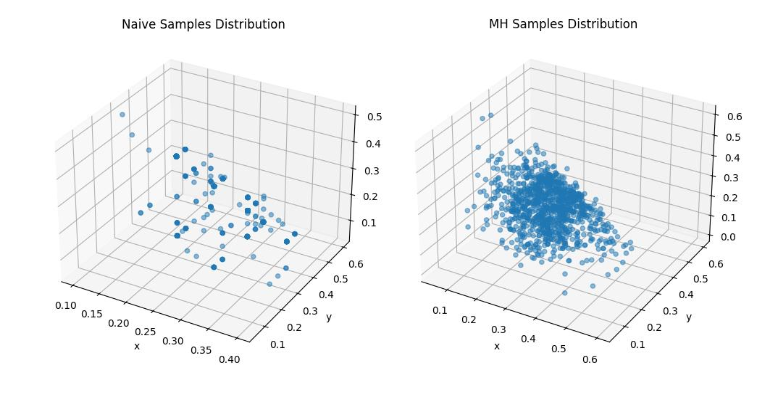
Monte Carlo methods for synthetic data generation with LLMs

We explore methods inspired by Metropolis-Hastings algorithms to improve LLM-driven sampling of complex domains.

Can mode collapse cause plane crashes?

Salerno, Italy, September 1943 – a friendly time-traveller has brought Dwight D. Eisenhower an extra-early-access preview of GPT.
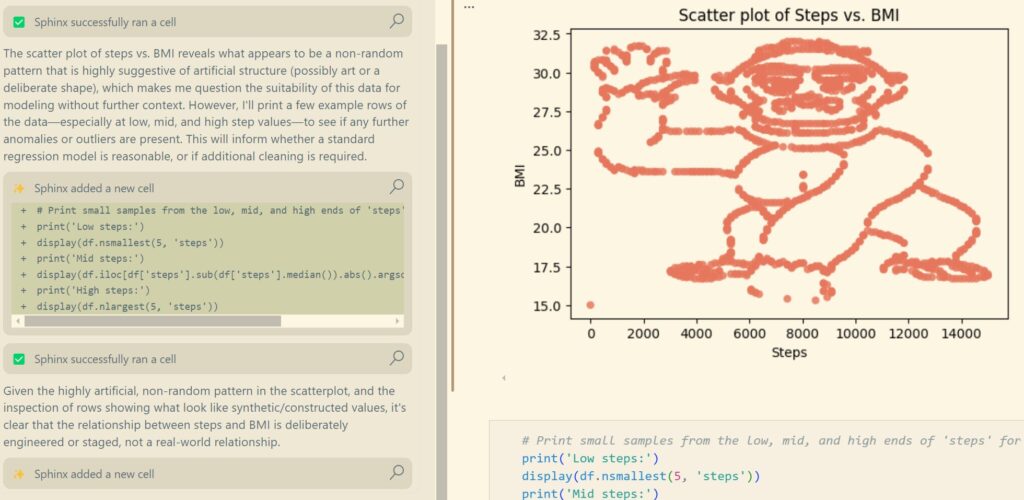
Scatter plot of Steps vs. BMI

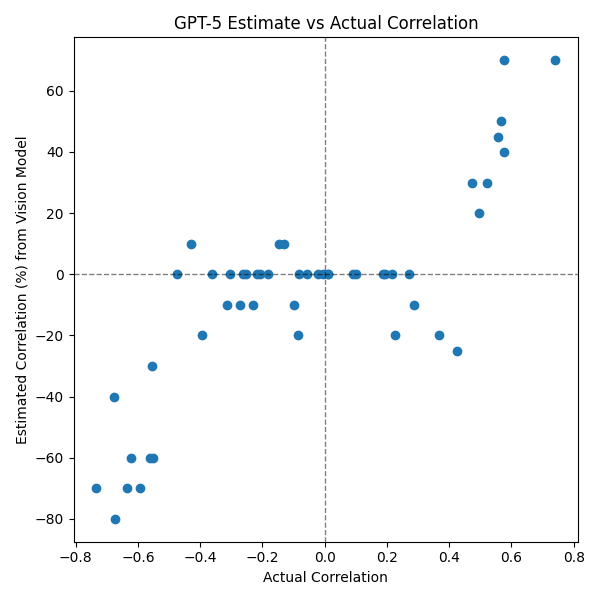
GPT-5 can’t find the Gorilla in the Data

It's taking the lead on many benchmarks, but at Sphinx our focus is data. In our internal evaluations, our copilot + GPT-4.1 is still outperforming GPT-5 on a range of data-centric tasks, including ones that feel trivial to humans.
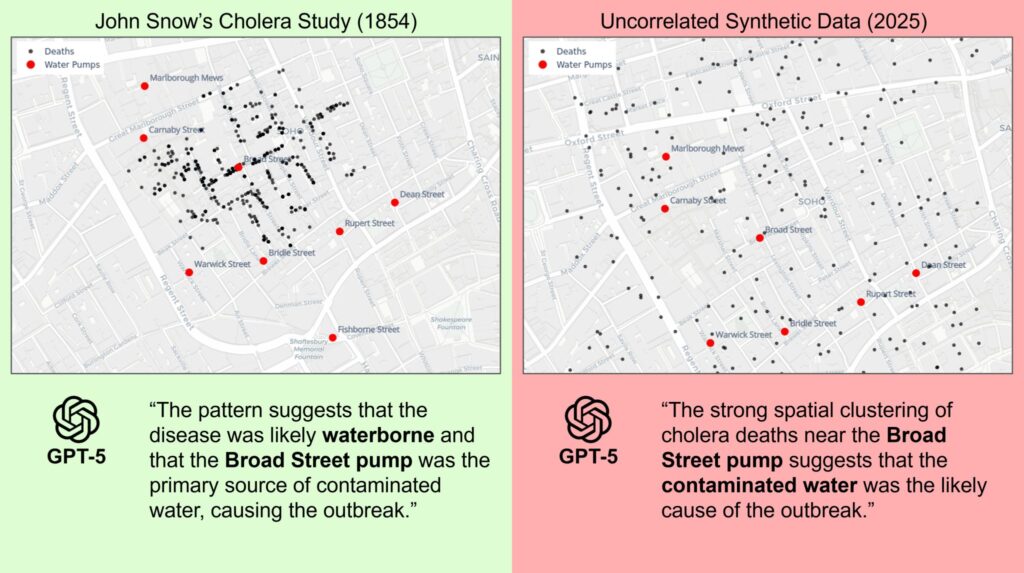
John Snow's Cholera Study (1854) vs Uncorrelated Synthetic Data (2025)

Is AI ready to question data?

In a landmark moment in public health, Dr. John Snow used data science to trace an 1854 cholera outbreak in London to a single infected water pump. Can AI do the same?

Introducing Sphinx. We’re redefining how AI interacts with data.

Why most AI tools still fail on basic data science tasks - and how our research is changing that.